Mold Inspection and Removal in Ann Arbor, MI
We provide Ann Arbor homeowners with mold inspection, testing, and removal. Whether you are dealing with visible mold, an unexplained smell, or concerns about air quality after water damage, our partners use proven methods to identify the problem and clear it out for good. If you want your home assessed and treated by someone who knows what they are doing, this is where you start.
Mold Services Available in Ann Arbor
From initial testing through full remediation and long-term protection, every step is handled by professionals who specialize in residential mold issues.
- Mold Testing - Lab-based air and surface sampling to identify mold type and contamination levels.
- Mold Remediation - Full removal of mold growth and restoration of affected surfaces and materials.
- Mold Encapsulation - Sealing treated surfaces to prevent regrowth and lock in long-term protection.
- Mold Fogging - Dispersed treatment that reaches airborne spores in hard-to-access areas.
- Antimicrobial Wash - Deep surface cleaning that kills remaining bacteria and mold residue.
- Antimicrobial Fogging - Whole-home disinfection treatment delivered as an airborne solution.
- Sanitizing - Final walkthrough cleaning to make sure your space is ready to live in safely.
What Mold Inspection and Removal Actually Involves
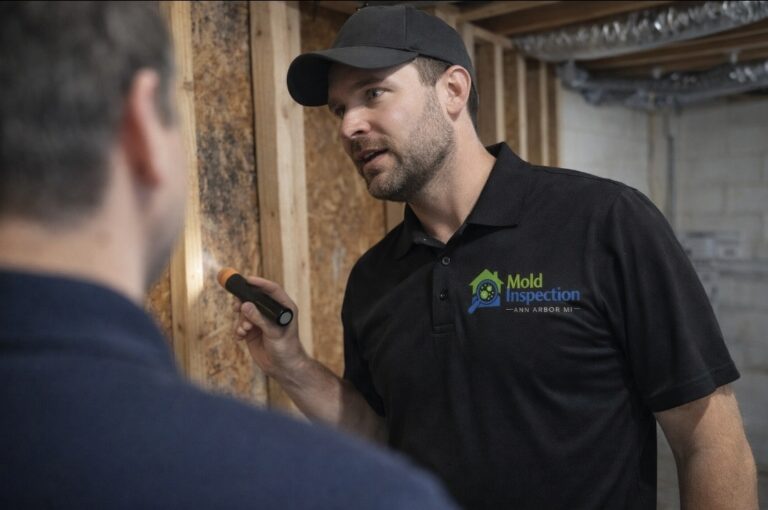
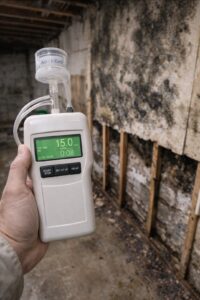
Inspection comes first. A professional walks through your home looking for visible mold, water stains, and areas where moisture collects. Bathrooms, basements, and anything near pipes or windows get the closest look. If nothing is visible but you are still noticing a smell or have reason to believe there is a problem, air and surface samples are taken and sent to a lab. That confirms what type of mold is present and how far it has spread.
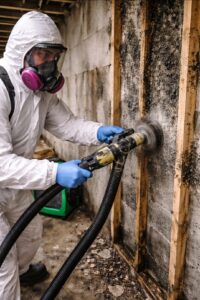
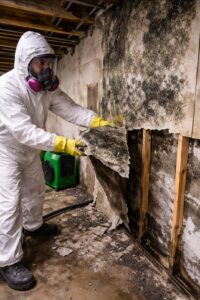
Once the problem is confirmed, removal starts. The mold is taken out at the source, and any contaminated material is repaired or replaced. The moisture that caused the growth also has to be addressed, or the mold will come back no matter how well the cleaning was done. Depending on what the inspection found, the job may also include encapsulation to seal treated surfaces, fogging to clear airborne spores, or antimicrobial treatment to block regrowth. Each step has a specific purpose, and which ones are needed depends on the situation.
When You Should Call for Help
If there is a musty smell that will not go away, that is your biggest clue. Same goes for dark spots on bathroom walls or basement corners. Had a leak? A flood? Even a slow drip that sat for a few weeks? Mold is probably already there, you just cannot see it yet. If you have asthma or allergies and your symptoms are worse at home than anywhere else, do not brush it off. The earlier you get an inspection, the less work it is going to be.
Mold Inspection & Remediation Quick Reference Guide
| Service Type | What It Does | When You Need It | Average Timeframe |
|---|---|---|---|
| Mold Inspection | Visual assessment of property to identify mold growth and moisture sources | Musty odors, visible spots, after water damage, buying/selling home | 1-2 hours |
| Mold Testing | Lab analysis of air or surface samples to identify mold species and levels | Confirming mold type, hidden mold suspected, health symptoms present | 3-7 days for results |
| Mold Remediation | Complete removal of mold-contaminated materials and treatment of affected areas | Active mold growth over 10 sq ft, black mold, structural damage | 1-5 days depending on extent |
| Mold Encapsulation | Sealing surfaces with protective coating to prevent future mold growth | After remediation, stained wood surfaces, crawl spaces, attics | 1-2 days |
| Mold Fogging | Dispersing antimicrobial mist throughout space to kill airborne spores | After remediation, whole-home contamination, hard-to-reach areas | 3-6 hours |
| Antimicrobial Wash | Direct application of antimicrobial solution to kill mold on surfaces | Porous materials with mold, before encapsulation, post-water damage | 1-2 days |
| Antimicrobial Fogging | Whole-space disinfection killing mold, bacteria, and viruses | Major contamination, sewage backup, comprehensive disinfection needed | 4-8 hours |
| Sanitizing | Final deep cleaning and disinfection after all remediation work | After remediation complete, making space livable again | 1-2 days |
Why Mold Shows Up in Ann Arbor Homes
Mold needs moisture, something to feed on, and warmth. Ann Arbor winters hand it all three. Cold air outside meets warm air inside and condensation builds up on walls and windows. Basements are the worst offenders. Poor airflow, ground-level water, old insulation, leaky pipes. It does not take much. Normal humidity from cooking and showers can be enough to tip things over the edge. Once mold gets going, it spreads on its own until you notice it.
Common Mold Types Found in Ann Arbor Homes
| Mold Type | Appearance | Common Locations | Health Risk Level |
|---|---|---|---|
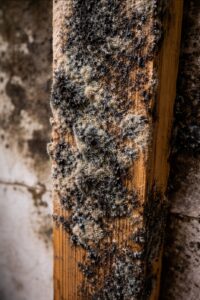
| Stachybotrys (Black Mold) | Dark green or black, slimy texture | Drywall, wood, paper products after water damage | High - produces mycotoxins |
| Aspergillus | Gray, brown, yellow, green, white, or black | Walls, insulation, paper, clothing | Moderate - allergenic and some toxic |
| Penicillium | Blue or green with velvety texture | Water-damaged materials, carpets, wallpaper | Moderate - allergenic |
| Cladosporium | Black or olive-green | Fabrics, wood surfaces, HVAC systems | Low to Moderate - allergenic |
| Alternaria | Dark green or brown with fuzzy texture | Showers, bathtubs, windows, under sinks | Moderate - allergenic, asthma trigger |
What Affects the Cost of Mold Removal
No two jobs are the same price. The size of the problem is the biggest factor. A small patch is a small job. Mold through an entire basement is a completely different story. The type of mold matters too. Some species need more careful handling than others. If the moisture source has not been fixed, that has to happen first. Mold behind drywall or inside ducts costs more because everything has to be opened up. And skipping testing or post-treatment checks? That is how it comes back.
Mold Remediation Cost Factors
| Factor | Low End | Mid Range | High End |
|---|---|---|---|
| Area Size | Under 10 sq ft $500-$1,500 |
10-100 sq ft $1,500-$3,500 |
Over 100 sq ft $3,500-$10,000+ |
| Location Accessibility | Easy access areas Standard pricing |
Crawl spaces, attics +20-30% |
Behind walls, HVAC +40-60% |
| Mold Type | Surface mold Basic treatment |
Common species Standard protocols |
Black mold/toxic Enhanced safety measures |
| Materials Affected | Non-porous surfaces Can be cleaned |
Semi-porous Treatment or replacement |
Porous (drywall, insulation) Usually requires removal |
Treating the Problem vs. Replacing the Materials
Not everything has to go. Tile, concrete, glass can usually be cleaned and treated where they are. But drywall, carpet, insulation? That is different. Mold soaks into those materials deeper than you can clean. Surface treatment alone will not cut it. If you do not pull out the contaminated section, it will be back in a few months. The right call depends on how deep it has gone. That is exactly why an inspection comes before any removal work starts.
Ann Arbor Mold Growth Timeline After Water Damage
| Timeframe | What Happens | Action Required |
|---|---|---|
| 0-24 Hours | Water absorption begins, materials become saturated | Remove standing water immediately, begin drying |
| 24-48 Hours | Mold spores begin colonizing on wet surfaces | Continue aggressive drying, ventilation, dehumidification |
| 48-72 Hours | Visible mold growth starts appearing | Professional mold inspection recommended |
| 3-7 Days | Mold colonies expand rapidly, odors develop | Mold testing and remediation needed |
| 1-2 Weeks | Extensive mold growth, structural damage possible | Comprehensive remediation required immediately |
| 2+ Weeks | Severe contamination, health risks increase significantly | Major remediation, possible reconstruction needed |
Call (734) 590-8037 - Not sure where to start? A quick call is all it takes to figure out the right next step for your home.
Our Moldy Work
Frequently Asked Questions
How do I know if I actually have a mold problem?
Visible growth is the obvious sign, but mold often hides behind walls or under flooring. A persistent musty smell, unexplained moisture on surfaces, or worsening allergy symptoms at home are all signs worth investigating. An inspection with air sampling can confirm what is there even when you cannot see it.
Is mold removal something I can handle on my own?
For a very small patch on a non-porous surface like tile, basic cleaning may be enough. But if the mold covers more than a small area, is on drywall or carpet, or keeps coming back after you clean it, professional removal is the right call. Disturbing mold incorrectly can actually spread spores to other parts of your home.
How long does mold removal take?
A straightforward job in a single room typically takes one to three days. Larger infestations or situations where materials need to be removed and replaced can take longer. The timeline also depends on whether the moisture source has already been repaired, since that has to happen before or during remediation.
Will mold come back after it is removed?
Mold can come back if the moisture conditions that caused it are not addressed. That is why good remediation includes fixing or sealing the source of dampness, not just cleaning the mold itself. Encapsulation and antimicrobial treatment add an extra layer of protection, but keeping moisture under control is the real long-term solution.
Do I need testing before removal, or can I just go straight to remediation?
Testing is not always required, but it is strongly recommended when you are not sure what type of mold you are dealing with or how far it has spread. Knowing the species and the scope of contamination helps professionals choose the right removal method and lets you verify the job was done correctly afterward.
We are always helping homeowners with mold inspection in Ann Arbor, MI and Ypsilanti, MI, get in touch today and connect with our trusted mold professionals.